

Cannabidiol (
In December 2022, President Biden signed the
What is Epilepsy?
Additionally, because
can originate in any region of the brain, epilepsy can disrupt virtually any function the brain controls — from movement and sensation to memory and behavior.
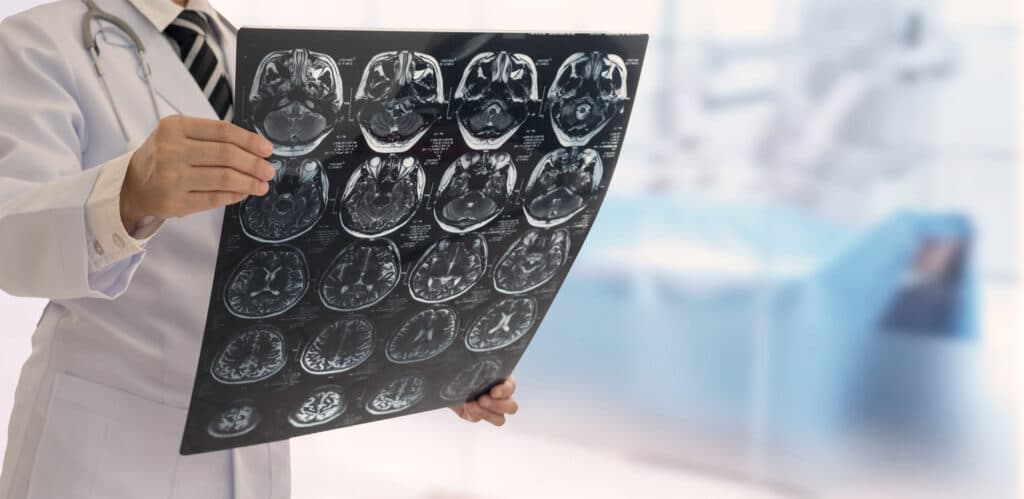
Common Seizure Symptoms of Epilepsy
People with epilepsy typically experience the same type of seizure repeatedly. Common symptoms include stiff or rigid muscles, uncontrollable jerking movements, loss of consciousness or awareness, temporary confusion, and psychological symptoms such as sudden fear, anxiety, or déjà vu.
Doctors generally classify seizures into two major categories:
and generalized seizures.Focal Seizures
are the most common seizure type in people with epilepsy. They originate in one localized area of the brain and are more prevalent among individuals with a history of brain injury, brain infection, brain tumor, or stroke. During a focal seizure, the person typically stays conscious and can recall the episode — but may be temporarily frozen and unable to respond. Notably, these seizures usually last no longer than two minutes.Generalized Seizures
In contrast to focal seizures,
involve abnormal electrical activity across both sides of the brain simultaneously. Several subtypes exist, including: absence seizures (brief staring spells lasting 5–10 seconds with minimal body movement), tonic seizures (muscle stiffening that can affect consciousness), atonic seizures (sudden loss of muscle control), clonic seizures (rhythmic jerking movements), myoclonic seizures (brief jerks or twitches in the upper body), and tonic-clonic seizures (abrupt loss of consciousness combined with body stiffening and shaking).
Common Causes of Epilepsy
Identifying the root cause of epilepsy can be challenging, and in many cases no specific cause is found. However, clinicians have identified several
. These include severe head injury or trauma, infectious diseases such as HIV, meningitis, parasitic infections, and viral encephalitis, developmental disorders like autism spectrum disorder, prenatal brain injury resulting from physical trauma, infection, malnutrition, or oxygen deficiency, structural brain abnormalities such as tumors, arteriovenous malformations (AVMs), or cavernous malformations, and genetic predisposition — epilepsy often runs in families.Common Epilepsy Treatments
, three primary treatment pathways exist for people living with epilepsy.Medication remains the most widely used first-line treatment. Approximately 66% of people with epilepsy achieve meaningful seizure control through
, which work by limiting abnormal electrical spread in the brain. Commonly prescribed ASDs include .Surgery is a viable option for drug-resistant focal epilepsy, since seizures originate from a single, identifiable brain region. The temporal lobe is the most common surgical site.
Alternative and emerging treatments are available for patients who do not respond adequately to medication or are not surgical candidates. These include vagus nerve stimulation (VNS), the ketogenic diet, and — increasingly — cannabidiol (CBD).

CBD for Epilepsy: The Research
Can CBD reduce seizures? Yes — clinical evidence supports CBD’s ability to reduce seizure frequency in specific forms of epilepsy, particularly Dravet syndrome and Lennox-Gastaut syndrome. The landmark research that triggered mainstream medical interest came from the New England Journal of Medicine, which published a controlled trial showing that CBD-based medication significantly reduced seizure frequency in children with Dravet syndrome. Side effects — including diarrhea, fatigue, sedation, elevated liver enzymes, and rash — were present but generally classified as non-severe.
Furthermore, a
(approximately 96 weeks) published in PMC found strong results. Patients with Dravet syndrome, Lennox-Gastaut syndrome, and tuberous sclerosis complex experienced a median 50% reduction in monthly major seizures when taking pharmaceutical-grade CBD. Researchers noted promising signals across other epilepsy types as well, though broader studies are still needed.
Epidiolex®: The FDA-Approved CBD Medication for Epilepsy
What is Epidiolex? Epidiolex® is the
, pharmaceutical-grade cannabidiol medication. It is specifically approved for the treatment of seizures associated with Lennox-Gastaut syndrome, Dravet syndrome, and tuberous sclerosis complex in patients aged one year and older.Three randomized, controlled clinical trials supported Epidiolex’s FDA approval, each demonstrating statistically significant reductions in seizure frequency compared to placebo. Epidiolex is available as an oral solution (oil) and is prescribed and monitored by a neurologist.
Does Over-the-Counter CBD Work the Same as Epidiolex?
This is one of the most common questions people ask about CBD and epilepsy — and the honest answer is: not necessarily.
found that 70% of patients who used non-prescription CBD actually saw an increase in seizure frequency. In contrast, patients taking pharmaceutical-grade CBD (Epidiolex) saw a 39% reduction. That difference stems from the rigorous formulation standards, dosing consistency, and quality controls that Epidiolex follows — controls that dispensary CBD products do not meet.That said, some
as a supplemental option for patients resistant to conventional medications, since CBD carries a generally safe profile. Consequently, always consult a licensed neurologist before incorporating any form of CBD into an epilepsy treatment plan.Which CBD oil is best for epilepsy?
While no over-the-counter CBD oil is a substitute for Epidiolex, several third-party tested, high-quality CBD oils are popular among people exploring CBD as a complementary option — with their neurologist’s approval.

Charlotte’s Web
Charlotte’s Web carries perhaps the most meaningful legacy in the CBD and epilepsy conversation. The brand was named after Charlotte Figi, a young girl with Dravet syndrome whose dramatic seizure reduction on CBD oil sparked global awareness.
offers full-spectrum CBD oils in organic formulations across various dosages and flavors.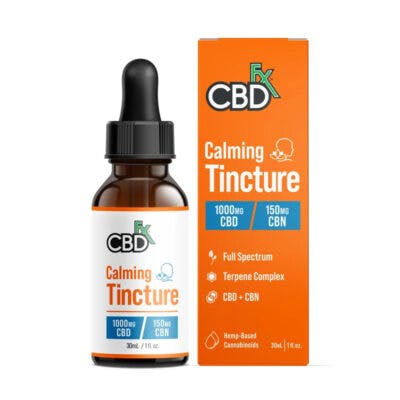
CBDfx
CBDfx CBD + CBN Oil Calming Tincture offers higher-potency options (1000mg, 2000mg, 4000mg, and 6000mg) for those who need stronger formulations.
in this line are USA-made, cruelty-free, solvent-free, and third-party verified for potency.
CBDPure
CBDPure Full Spectrum CBD Oil is third-party tested for purity and potency, and is formulated using a blend of therapeutic oils.
commitment to ultra-purity may make it an appealing option for those looking for a clean full-spectrum product — though neurologist approval is essential before use for epilepsy.
Spruce CBD
Spruce 750mg Lab Grade CBD Oil is
. It has earned strong consumer reviews for helping with pain, anxiety, and stress. Like all consumer CBD products, it should only be considered for epilepsy management under direct neurological supervision.Frequently Asked Questions (FAQ)
Does CBD cure epilepsy?
No. CBD does not cure epilepsy. It may help reduce seizure frequency in certain types of epilepsy under medical supervision.
Is CBD safe for children with epilepsy?
Prescription CBD (Epidiolex) has been studied in children with specific seizure disorders. Any pediatric use must be supervised by a specialist.
Can CBD replace anti-seizure medications?
CBD should not replace prescribed anti-seizure medication without physician approval. Abruptly stopping medication can be dangerous.
How long does CBD take to work for seizures?
In clinical trials, improvements were observed over weeks to months. Response time varies depending on dosage and condition.
Key Takeaways: CBD and Epilepsy
CBD has emerged as a clinically validated option for certain types of epilepsy, most notably through Epidiolex® — the only FDA-approved CBD medication for seizure disorders. Key facts to remember:
Pharmaceutical-grade CBD (Epidiolex) is proven to reduce seizures in Dravet syndrome, Lennox-Gastaut syndrome, and tuberous sclerosis complex. Over-the-counter CBD products are not equivalent to Epidiolex and may not produce the same results — and in some cases may worsen seizures. The Medical Marijuana and Cannabidiol Research Expansion Act of 2022 has opened new research pathways that could expand CBD’s clinical applications in epilepsy. Always consult a neurologist before using any form of CBD as part of an epilepsy treatment plan.
Research continues to evolve — and so does the hope that CBD may one day provide greater relief to more people living with epilepsy. For more articles on the medicinal benefits of CBD, explore our
.Medical Disclaimer: This content is for informational purposes only and does not constitute medical advice. Always consult a certified medical professional before making changes to your treatment plan.